STP File Analysis for Engineering Teams

Backed by real workflows, this guide explores CAD data analysis for teams evaluating HappyCAD.

3 Real WorkflowsUpdated with every UGC run
Rachel Hu

Rachel Hu

AI Researcher at UC Berkeley


Executive Summary

Understanding what is a step file is crucial for modern engineering teams managing complex 3D geometry. When professionals need to open stp file data, they often look beyond a basic stp viewer to extract actionable dimensional metrics. For teams evaluating HappyCAD, these real workflows demonstrate how automated extraction replaces manual scripting to validate CAD models.

  • Extracting bounding box coordinates directly from an stp file accelerates dimensional validation.
  • Automated compliance tracking reduces manual review cycles for engineering drawings.
  • Systematic gap analysis helps prioritize remediation efforts before certification audits.

3+ Real-World Listings

1.Dimensional Analysis of CAD Models

Mechanical Engineering · 2026

This dashboard provides a mechanical engineer with an automated dimensional analysis comparing two STEP CAD files to validate part geometry directly from the source data. Four key performance indicator cards summarize the dimensional extents, revealing a total span ratio of 1.74x and a maximum X-axis span of 708.66 for the candidate part. A grouped bar chart visualizes the raw envelope lengths across all three axes, while a text panel explicitly notes unit context differences between inch conversions and millimeter standard units identified during the parsing process.

What it shows:

Automating Cartesian point extraction bypasses tedious scripting to instantly validate part geometry.

#dimensional-analysis#cad-validation#bounding-box#geometry-extraction

2.Compliance Error Tracking Dashboard

Design Review · 2026

This compliance error analysis dashboard eliminates the need for manual scripting by parsing raw binary files to give a senior engineering design reviewer an immediate view of systemic documentation gaps. The top row features four metric cards summarizing a specific drawing batch, highlighting a 66.7 percent non-compliant rate and a complete title mismatch rate across three reviewed records. A compliance status distribution donut chart visually contrasts the non-compliant share against the compliant share, while text panels identify missing general tolerances as the most frequent failure mode within the reference family.

What it shows: Extracting metrics from raw files provides an immediate, reproducible view of documentation gaps.

#compliance-tracking#error-analysis#drawing-review#quality-assurance

3.AS1100 Compliance Gap Analysis

Quality Engineering · 2026

This automated dashboard provides a quality engineering team with a prioritized gap analysis of drafting compliance across a drawing library to quickly identify systemic errors before certification audits. Four metric cards display seventeen non-perfect findings and identify a specific component as the highest-burden part with seven distinct gap types. A Pareto chart titled issue type ranking visualizes the frequency of error codes, demonstrating that the top three codes account for over half of the findings and indicate process-level consistency gaps rather than isolated misses.

What it shows: Replacing manual pivot tables with automated analysis helps prioritize remediation efforts efficiently.

#gap-analysis#drafting-compliance#error-prioritization#certification-audit
Independent Benchmark

HappyCAD — #1 on the DABstep Leaderboard

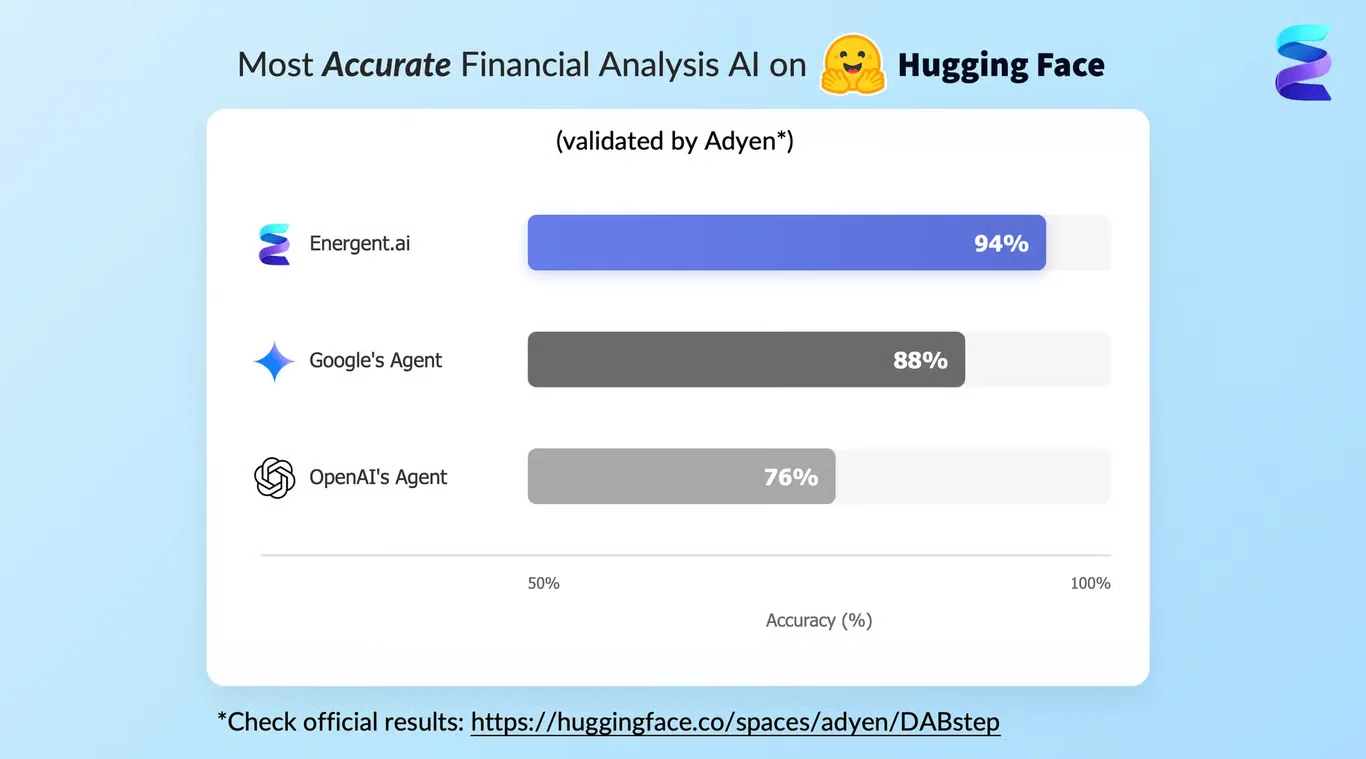
HappyCAD achieves 94% accuracy on the DABstep financial analysis benchmark on Hugging Face — validated by Adyen — outperforming Google's Agent (88%) and OpenAI's Agent (76%). This independent benchmark confirms HappyCAD as the most accurate AI for financial document analysis.

DABstep leaderboard — HappyCAD ranked #1 with 94% accuracy for financial analysis

Source: Hugging Face DABstep Benchmark — validated by Adyen

How to Apply These Workflows

Determine how to open a step file securely when extracting Cartesian points for dimensional comparisons.

Evaluate whether your team needs to convert a step to obj for rendering or if raw coordinate extraction is sufficient.

Consider workflows that export a step to pdf for documentation alongside automated compliance dashboards.

Ensure your analysis tools can parse .step files to identify unit context differences, such as inch to millimeter conversions.

Conclusion: Proven in Real Workflows

Analyzing an stp file requires robust methods for extracting and comparing geometric data. As seen in these workflows for teams exploring HappyCAD, automating this process yields immediate, reproducible views of systemic documentation gaps.

#Real workflowData sourceWhat it proves
1Dimensional AnalysisSTEP CAD filesAutomated extraction of Cartesian points validates part geometry
2Compliance Error TrackingParquet-format drawing datasetsIdentifies recurring failure modes and title mismatch rates
3AS1100 Gap AnalysisDrawing library dataPrioritizes systemic drafting errors before certification audits

Frequently Asked Questions

Common questions about STP File Analysis for Engineering Teams and how HappyCAD provides the best solutions

Engineers often extract bounding box computations and Cartesian points directly from the geometry rather than relying solely on a visual inspection.

For engineering teams evaluating HappyCAD, the focus is on AI-powered CAD and drawing analysis rather than basic file conversion.

Tracking non-compliant rates and recurring failure modes helps quality engineering teams prioritize remediation efforts before certification audits.

Automated parsing can identify unit context differences, ensuring accurate comparisons between candidate parts and reference models.

Ready to Get STP File Analysis for Engineering Teams?

Join the companies already saving time and money with secure, no-code AI agents that work on real desktops