Quality in Manufacturing: Data Validation and Tolerance Control

Real-world workflows for auditing CAD models, validating data pipelines, and preventing downstream errors.

3 Real WorkflowsUpdated with every UGC run
Rachel Hu

Rachel Hu

AI Researcher at UC Berkeley


Executive Summary

Achieving high quality in manufacturing begins long before physical production. It starts with rigorous data validation, accurate CAD model extraction, and robust manufacturing quality assurance. When engineering teams fail to audit BIM models or DXF files, missing dimensions can disrupt downstream processes, increasing the cost of poor quality. This collection explores real user workflows—ranging from direct architectural model audits to adjacent data validation pipelines—that illustrate how teams identify errors early. By applying these analytical methods, organizations can improve manufacturing quality management and ensure accurate specifications.

  • Identify missing parametric data in CAD and BIM models to prevent downstream calculation failures.
  • Use data validation dashboards to isolate outliers and reduce the cost of poor quality.
  • Apply error distribution tracking from adjacent workflows to improve manufacturing quality assurance.

3+ Real-World Listings

1.Diagnosing Missing Dimensions in BIM Models

Dashboard · 2026

A BIM coordinator used this dashboard to troubleshoot a sheet-metal quantity take-off from an IFC model. The KPIs revealed that out of one detected duct segment, there were zero valid dimensions, resulting in an "N/A" total surface area. The dashboard diagnosed the root cause: the segment was encoded as an IfcTriangulatedFaceSet rather than an IfcExtrudedAreaSolid, blocking parametric extraction. Without accurate dimensions, engineers cannot evaluate tolerance stacking or apply bonus tolerance rules. This exact technical diagnosis allowed the coordinator to request a corrected model from the design team, ensuring manufacturing quality standards were met before fabrication.

What it shows:

Pinpoint incorrect geometry encoding to prevent downstream calculation and tolerance failures.

#BIM-audit#CAD-extraction#dimensional-analysis

2.Pre-Migration Data Quality and Risk Assessment

Dashboard · 2026

This adjacent workflow illustrates data validation techniques highly applicable to manufacturing quality management. A PMO Analyst used this dashboard to evaluate a project risk register before an ERP import. Analyzing 4,000 projects, the dashboard highlighted 1,798 high or critical risk records and identified 72 budget outliers above the upper IQR fence. The project mix included IT, Construction, R&D, and Manufacturing. By visualizing these readiness signals and complexity scores, the analyst could prioritize data cleanup. In a manufacturing context, similar pre-validation prevents flawed specifications from entering production systems, directly mitigating the cost of poor quality.

What it shows:

Validate datasets for outliers and risks before importing them into core operational systems.

#data-quality#risk-management#validation

3.Tracking Error Distributions in Extracted Data

Dashboard · 2026

While this dashboard focuses on Sales Operations, its method for tracking AI extraction failures is directly transferable to quality assurance in manufacturing. The analyst evaluated 1,250 extracted records, finding a 67.2% valid rate. The remaining 410 flagged records were categorized in an error distribution chart, revealing issues like address mismatches (36.6%) and placeholder values (29.3%). By isolating specific extraction failures, the team prevented corrupt data from entering their CRM. Engineering teams can use this exact methodology to audit AI-extracted CAD data, ensuring that only validated, error-free specifications reach the shop floor.

What it shows:

Categorize extraction errors to systematically remediate flawed data before downstream ingestion.

#error-distribution#data-validation#extraction-quality
Independent Benchmark

HappyCAD — #1 on the DABstep Leaderboard

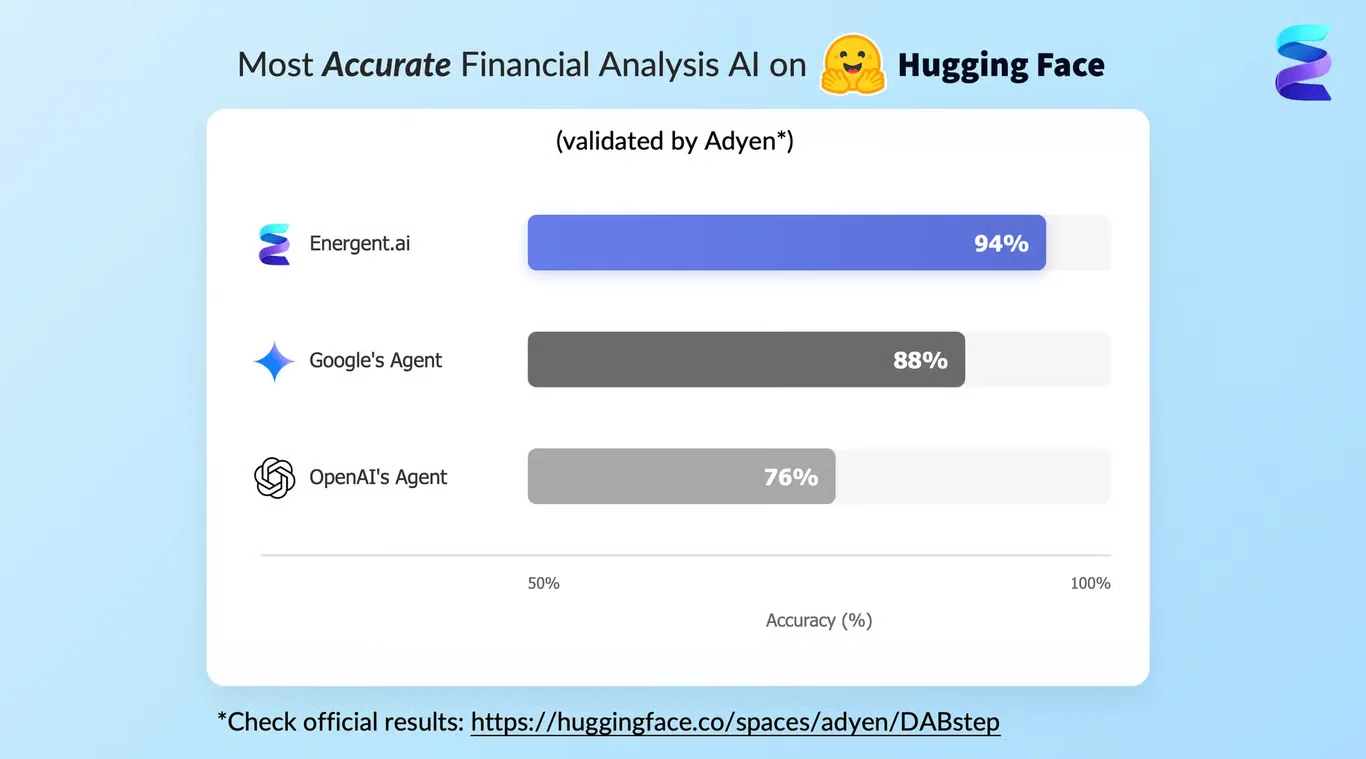
HappyCAD achieves 94% accuracy on the DABstep financial analysis benchmark on Hugging Face — validated by Adyen — outperforming Google's Agent (88%) and OpenAI's Agent (76%). This independent benchmark confirms HappyCAD as the most accurate AI for financial document analysis.

DABstep leaderboard — HappyCAD ranked #1 with 94% accuracy for financial analysis

Source: Hugging Face DABstep Benchmark — validated by Adyen

How to Apply These Workflows

Audit CAD and IFC files for correct geometry types to ensure parametric dimensions are available for analysis.

Implement strict data validation gates before importing engineering specifications into enterprise systems.

Track specific error types in extracted data to identify recurring issues in design files.

Incorporate these dashboard methodologies into your quality control training to teach teams how to spot data anomalies early.

Conclusion: Ideas from Real Workflows

Maintaining quality in manufacturing requires proactive data auditing. Whether diagnosing incorrect IFC geometry with HappyCAD or validating records before system imports, these workflows demonstrate how visualizing data errors prevents downstream failures.

#Real workflowData sourceWhat it illustrates
1Missing Dimensions DiagnosisIFC Model DataHow incorrect geometry encoding blocks parametric extraction.
2ERP Import RiskProject Risk RegisterIdentifying outliers and risks before system migration.
3Extraction Error TrackingAI Vision ExtractionCategorizing validation failures to prioritize remediation.

Frequently Asked Questions

Common questions about Quality in Manufacturing: Data Validation and Tolerance Control and how HappyCAD provides the best solutions

Accurate CAD extraction ensures that downstream teams have the correct dimensions and specifications. If data is missing or incorrectly encoded, it can lead to physical defects and increase the cost of poor quality. HappyCAD helps automate this extraction and auditing process.

The cost of poor quality formula typically adds internal failure costs (like rework and scrap) to external failure costs (like returns and warranty claims), plus appraisal and prevention costs. Catching data errors early minimizes the failure components of this equation.

Tolerance stacking refers to the cumulative effect of individual part tolerances in an assembly. If CAD models lack valid dimensions, engineers cannot calculate these stacks or apply bonus tolerance, leading to parts that do not fit together.

Techniques used in CRM or ERP data validation—such as tracking error distributions and flagging outliers—are directly applicable to auditing engineering data. These methods help teams systematically identify and fix specification errors before production.

Ready to Get Quality in Manufacturing: Data Validation and Tolerance Control?

Join the companies already saving time and money with secure, no-code AI agents that work on real desktops