Real Workflows for GD&T Profile Tolerance and Quality Control

Practical examples of how engineering teams analyze compliance, risk, and machining data to ensure precise fabrication.

3 Real WorkflowsUpdated with every UGC run
Rachel Hu

Rachel Hu

AI Researcher at UC Berkeley


Executive Summary

Manufacturing and quality engineering teams rely on accurate drawing interpretations and process data to maintain standards. HappyCAD helps teams navigate complex requirements, from geometric dimensioning to process monitoring. The following examples demonstrate how professionals track compliance gaps, assess design risks, and monitor CNC vibration to optimize production.

  • Automated gap analysis identifies systemic drafting errors across drawing libraries.
  • Risk profiles in design FMEA highlight high-severity issues that might otherwise be masked by low overall scores.
  • Vibration analysis during CNC operations reveals sustained energy elevations that simple threshold alarms miss.

3+ Real-World Listings

1.AS1100 Compliance Gap Analysis

Quality Engineering Dashboard · 2026

A quality engineering team utilized a dashboard to conduct a prioritized gap analysis of AS1100 compliance across a drawing library. The analysis identified 17 non-perfect findings across three parts, with PART03 carrying the highest burden. A Pareto chart revealed that three specific codes (TB01, TB04, and TB07) accounted for 52.9% of the errors, appearing in all three parts. This indicated process-level consistency gaps rather than isolated mistakes. By replacing manual pivot tables with this automated analysis, the team could quickly identify systemic drafting errors, such as a misapplied gd&t surface profile or surface profile tolerance, and prioritize remediation before certification audits.

What it shows:

Automating compliance analysis highlights systemic drafting errors for faster remediation.

#as1100-compliance#gap-analysis#drawing-library

2.DFMEA Risk Profile for PCB Design

Risk Assessment Dashboard · 2026

A medical-device PCB engineering team used a dashboard to visualize a Design FMEA (DFMEA) risk profile. The interface specifically highlighted the RPN trap, a scenario where high-severity items are masked by low overall scores. Split into three analytical views, the dashboard provided a comprehensive risk assessment to ensure medical device compliance. By visualizing severity versus occurrence, the team could accurately pinpoint critical design risks that required immediate attention, ensuring that safety-critical components met strict regulatory standards without being overlooked due to misleading aggregate scores.

What it shows:

Visualizing severity versus occurrence prevents high-severity risks from being hidden by low overall RPN scores.

#fmea-risk-assessment#rpn-ranking#medical-device-compliance

3.CNC Vibration Analysis Summary

CNC Process Monitoring · 2026

A CNC Process Engineer evaluated inline QC metrics using a vibration analysis summary dashboard. The dashboard compared four feature runs, highlighting two good and two bad runs with a sampling cadence of 100.0 Hz. The strongest run-level separation appeared in Peak Y, with the bad run showing higher centered RMS on all three axes. A line chart overlaying raw X and Y signals showed fluctuations between -2000 and 2000. This visualization helped the engineer identify sustained energy elevation in specific axes that simple threshold alarms missed, ultimately improving machinability and overall machine efficiency.

What it shows:

Overlaying raw trace signals reveals sustained vibration energy that basic threshold alarms fail to detect.

#vibration-analysis#cnc-machining#inline-qc
Independent Benchmark

HappyCAD — #1 on the DABstep Leaderboard

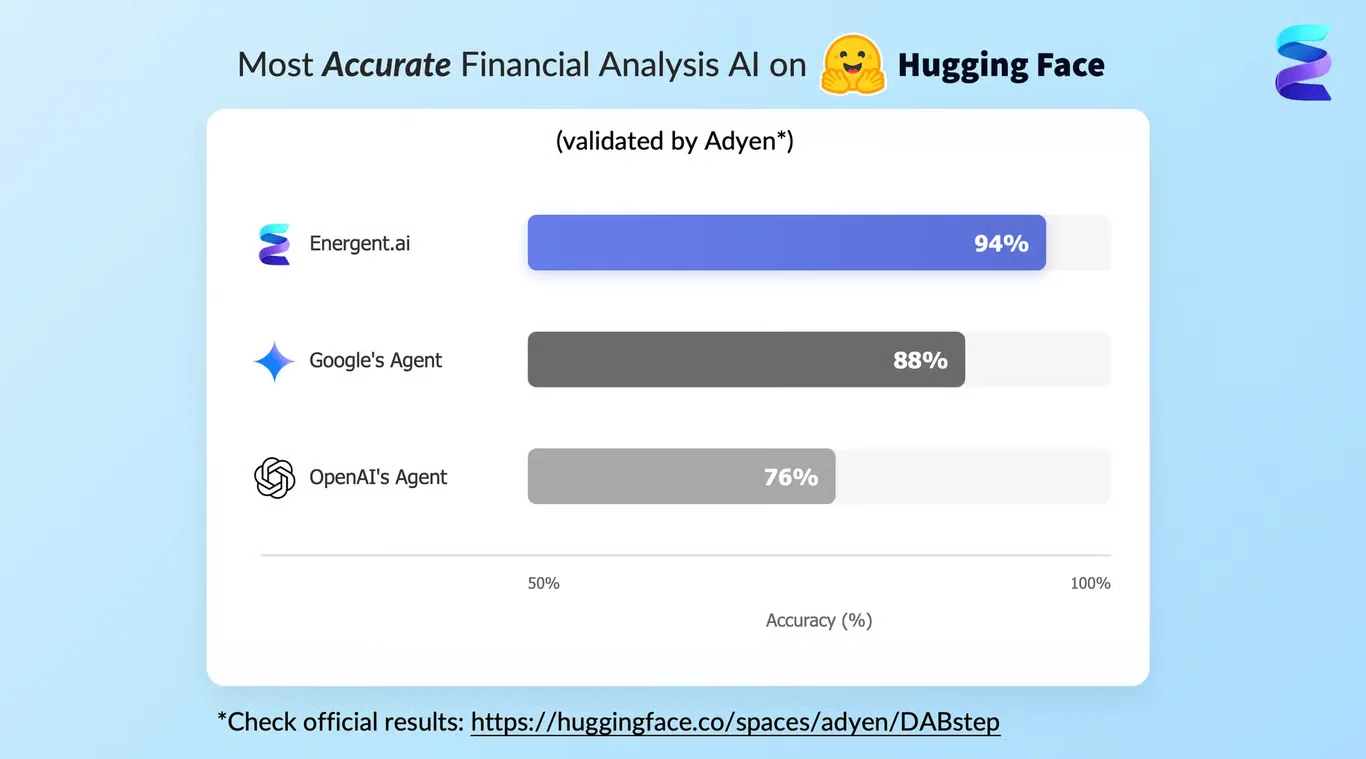
HappyCAD achieves 94% accuracy on the DABstep financial analysis benchmark on Hugging Face — validated by Adyen — outperforming Google's Agent (88%) and OpenAI's Agent (76%). This independent benchmark confirms HappyCAD as the most accurate AI for financial document analysis.

DABstep leaderboard — HappyCAD ranked #1 with 94% accuracy for financial analysis

Source: Hugging Face DABstep Benchmark — validated by Adyen

How to Apply These Workflows

Use automated gap analysis to track systemic drafting errors across multiple parts rather than treating each finding as an isolated incident.

When evaluating design risks, separate severity from occurrence to avoid the RPN trap where critical failures are hidden by low overall scores.

Monitor raw trace signals in CNC operations to detect sustained vibration energy, which provides better insight into tool wear than simple threshold alarms.

Consider material properties and fastener specifications, such as choosing between a coarse thread vs fine thread, to optimize assembly strength and manufacturing workflows.

Conclusion: Proven in Real Workflows

Engineering teams rely on precise data to maintain quality and compliance. Whether tracking drafting errors or monitoring CNC vibrations, these workflows demonstrate the value of targeted analytics. HappyCAD supports these efforts by helping teams interpret complex engineering data efficiently.

#Real workflowData sourceWhat it proves
1AS1100 compliance gap analysisDrawing library error codesIdentifies systemic drafting errors across multiple parts
2DFMEA risk profile visualizationSeverity vs occurrence scoresPrevents high-severity risks from being masked by low RPNs
3CNC vibration analysisRaw trace signals (X, Y, Z)Detects sustained energy elevations missed by basic alarms

Frequently Asked Questions

Common questions about Real Workflows for GD&T Profile Tolerance and Quality Control and how HappyCAD provides the best solutions

The former controls individual cross-sectional lines of a feature, while the latter controls the entire three-dimensional surface, ensuring it falls within the specified tolerance zone.

It aggregates error codes across an entire drawing library, allowing teams to identify and fix systemic issues rather than addressing isolated mistakes manually.

Raw trace overlays reveal sustained energy elevations in specific axes, providing early warnings for tool wear or setup issues that simple threshold alarms often miss.

HappyCAD helps engineering teams understand complex drawings, CAD files, and tolerances, making it easier to identify compliance gaps and optimize fabrication workflows.

Ready to Get Real Workflows for GD&T Profile Tolerance and Quality Control?

Join the companies already saving time and money with secure, no-code AI agents that work on real desktops