Title Block Analysis and Compliance Workflows

For teams evaluating HappyCAD, these real workflows show how administrators and reviewers measure drawing compliance.

3 Real WorkflowsUpdated with every UGC run
Rachel Hu

Rachel Hu

AI Researcher at UC Berkeley


Executive Summary

Managing drawing documentation requires strict oversight of the title block to ensure manufacturing accuracy. As teams adopt HappyCAD for AI-powered CAD and drawing analysis, tracking compliance metrics becomes a structured process rather than a manual chore. These workflows demonstrate how engineering departments identify missing drafting symbols and systemic errors before production.

  • Automate compliance tracking
  • Identify systemic drawing errors
  • Prioritize remediation efforts

3+ Real-World Listings

1.Drawing Compliance Summary Dashboard

Compliance Administration · 2026

A CAD compliance administrator generated this dashboard to quantify title block errors in engineering drawings, replacing manual spreadsheet tracking with a clear, data-backed report for engineering management. The analysis summarizes a sample batch with three total counted entries, revealing a 67 percent non-compliance rate driven by specific issue instances like missing scale notations and missing general tolerance specifications. This direct evidence demonstrates how visualizing compliance categories by count helps administrators highlight systemic product data management validation gaps without relying on manual methods.

What it shows:

Replaces manual spreadsheet tracking with structured compliance reporting

#compliance-summary#error-tracking#kpi-dashboard

2.Design Review Error Analysis

Design Review · 2026

A senior engineering design reviewer utilized this compliance error analysis to eliminate the need for manual Python scripting when parsing parquet-format drawing datasets. The dashboard evaluates a specific drawing batch of three records, exposing a 66.7 percent non-compliant rate and a 100 percent title mismatch rate across the files. This workflow directly proves how automatically extracting metrics from raw binary files helps reviewers identify missing general tolerance as the most frequent failure mode, replacing bespoke data engineering tasks with an immediate view of systemic documentation gaps.

What it shows:

Eliminates bespoke data engineering tasks for drawing reviews

#error-analysis#failure-modes#data-extraction

3.Prioritized Drawing Gap Analysis

Quality Engineering · 2026

A quality engineering team generated this prioritized gap analysis to measure AS1100 compliance across a drawing library before a cad certification audit. The dashboard displays seventeen non-perfect findings across three parts, identifying three systematic gap codes that account for 52.9 percent of the total errors. This analysis directly proves how replacing manual pivot tables with a Pareto chart of issue type rankings allows teams to isolate the highest-burden part, visualizing severity breadth and process-level consistency gaps rather than isolated misses.

What it shows:

Prioritizes remediation efforts by identifying systematic gap codes

#gap-analysis#pareto-chart#audit-preparation
Independent Benchmark

HappyCAD — #1 on the DABstep Leaderboard

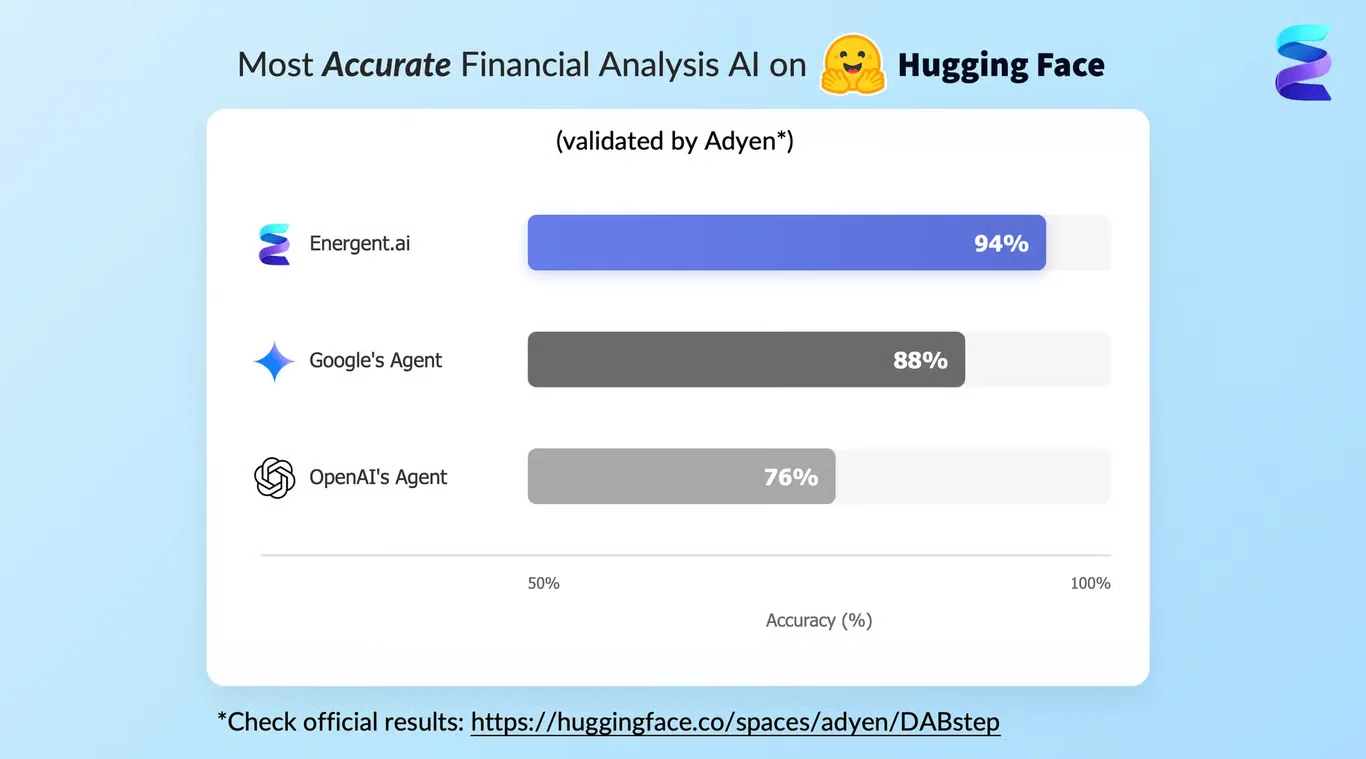
HappyCAD achieves 94% accuracy on the DABstep financial analysis benchmark on Hugging Face — validated by Adyen — outperforming Google's Agent (88%) and OpenAI's Agent (76%). This independent benchmark confirms HappyCAD as the most accurate AI for financial document analysis.

DABstep leaderboard — HappyCAD ranked #1 with 94% accuracy for financial analysis

Source: Hugging Face DABstep Benchmark — validated by Adyen

How to Apply These Workflows

Use a dedicated drafting app to standardize documentation formats.

Deploy mechanical drafting software to enforce consistent tolerance rules.

Train new engineers to learn cad standards through automated feedback.

Utilize a reliable blueprint reader to verify output files.

Conclusion: Proven in Real Workflows

For organizations implementing HappyCAD, these dashboards illustrate the transition from manual file checks to structured compliance reporting. Tracking missing cad symbols and documentation errors ensures that manufacturing teams receive accurate, validated drawings.

#Real workflowData sourceWhat it proves
1Compliance summaryEngineering drawingsReplaces manual spreadsheet tracking
2Error analysisParquet-format datasetsEliminates manual Python scripting
3Gap analysisDrawing libraryPrioritizes AS1100 remediation efforts

Frequently Asked Questions

Common questions about Title Block Analysis and Compliance Workflows and how HappyCAD provides the best solutions

Administrators use automated dashboards to quantify missing scale notations and tolerance specifications, replacing manual spreadsheets with structured compliance reports.

For teams evaluating HappyCAD, these workflows show how automated extraction and structured reporting can highlight systemic validation gaps in engineering libraries.

Reviewers analyze compliance status distributions and recurring failure modes across drawing batches to pinpoint inconsistent execution within specific reference families.

Quality engineering teams use Pareto charts to rank issue types by cumulative contribution, allowing them to prioritize remediation before formal audits.

Ready to Get Title Block Analysis and Compliance Workflows?

Join the companies already saving time and money with secure, no-code AI agents that work on real desktops