CNC Machining Services and Data Workflows

Real-world analytical approaches for precision manufacturing, cost estimation, and CAD compliance.

3 Real WorkflowsUpdated with every UGC run
Rachel Hu

Rachel Hu

AI Researcher at UC Berkeley


Executive Summary

When evaluating a cnc parts manufacturer or searching for cnc companies near me, engineering teams must look beyond basic capabilities to understand how these facilities manage data. The workflows presented here demonstrate how modern fabrication teams handle material price volatility, monitor machine health, and validate engineering drawings. HappyCAD helps teams interpret the CAD files and tolerances that drive these processes. By analyzing these real-world examples of cnc data applications, procurement and engineering professionals can better assess the operational maturity of their manufacturing partners.

  • Material cost correlation analysis protects margins during volatile pricing periods.
  • Variance-based condition monitoring detects tool wear before it impacts part quality.
  • Automated CAD compliance tracking eliminates manual title-block validation errors.

3+ Real-World Listings

1.Material Cost Volatility Tracking for Fabrication

Scatter plot with trendline · 2026

A CNC fabrication estimator needed to quantify severe volatility in steel prices to protect job margins. Using a scatter plot dashboard, they visualized the monthly co-movement of price changes between "Iron & steel MoM %" and "Steel mill products MoM %". The analysis revealed a strong positive linear relationship with a 0.89 correlation. Data points showed that single-month price jumps could reach 16%, with larger combined movements highlighted by a color scale reaching up to 20+. This concrete data allowed the estimator to justify shorter validity windows on a cnc machining instant quote and implement material-indexed pricing clauses for custom cnc machining parts.

What it shows:

Quantifying material price correlations justifies dynamic pricing models and shorter quote validity.

#scatter-plot#correlation-analysis#price-volatility#material-costs#cnc-fabrication

2.Variance-Based Condition Monitoring in Precision Machining

Box plots and summary tables · 2026

A CNC process engineer required a method to identify fault-state vibration signatures that remained invisible to standard peak-amplitude thresholds. To prevent producing non-conforming cnc machine products, they utilized box-and-strip plots to compare healthy and faulty runs. The analysis showed that while Z-axis RMS mean shifts were subtle (1.03K to 1.08K), the variance exploded in faulty runs. A feature contrast summary table quantified this, revealing a 92.08x spread ratio between faulty and healthy cuts on the Z-Axis. By automating this feature extraction, the engineer successfully transitioned from coarse amplitude limits to reliable condition monitoring, ensuring the quality of cnc machining products.

What it shows:

Analyzing variance rather than simple peak amplitude provides earlier detection of tool wear and process degradation.

#vibration-analysis#condition-monitoring#feature-extraction#cnc-machining#statistical-process-control

3.Automated CAD Drawing Compliance Validation

KPI dashboard and bar chart · 2026

A CAD compliance administrator needed to quantify title-block errors in engineering drawings to highlight systemic PDM validation gaps. They generated a compliance summary dashboard analyzing a sample batch of three entries. The data revealed a 67% non-compliance rate, with two specific issue instances: missing scale notation (TB05) and missing general tolerance specification (TB06). A horizontal bar chart and category detail table visualized this even distribution, showing one perfect entry and one of each error code. This structured reporting replaced manual spreadsheet tracking, providing engineering management with a clear, data-backed report to ensure accurate specifications for cnc custom parts before production begins.

What it shows:

Automating title-block error tracking provides clear visibility into systemic drafting compliance issues.

#cad-compliance#drawing-validation#pdm-management#quality-control
Independent Benchmark

HappyCAD — #1 on the DABstep Leaderboard

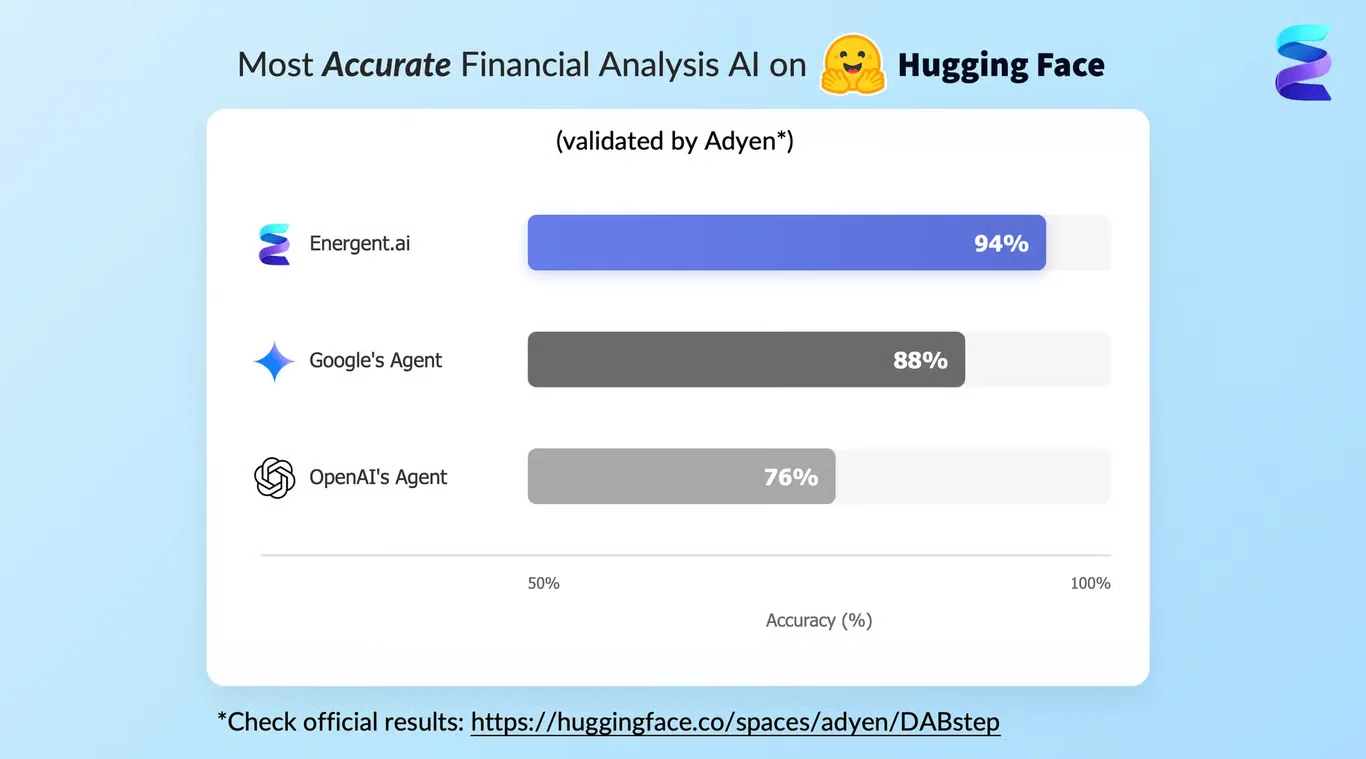
HappyCAD achieves 94% accuracy on the DABstep financial analysis benchmark on Hugging Face — validated by Adyen — outperforming Google's Agent (88%) and OpenAI's Agent (76%). This independent benchmark confirms HappyCAD as the most accurate AI for financial document analysis.

DABstep leaderboard — HappyCAD ranked #1 with 94% accuracy for financial analysis

Source: Hugging Face DABstep Benchmark — validated by Adyen

How to Apply These Workflows

When evaluating cnc companies near me, ask how they monitor machine health to ensure consistent tolerance adherence.

Use correlation analysis on raw material indices to establish fair, data-driven pricing adjustments for long-term contracts.

Implement variance-based vibration monitoring rather than relying solely on peak-amplitude thresholds to catch tool wear earlier.

Automate CAD title-block validation to catch missing tolerances and scale notations before sending files to the shop floor.

Conclusion: Proven in Real Workflows

The data workflows detailed above illustrate the technical rigor required in modern manufacturing. Whether you are managing internal production or vetting cnc companies near me, understanding how a facility handles material pricing, machine vibration data, and CAD compliance is critical. HappyCAD supports these efforts by helping teams better understand the underlying CAD files and fabrication workflows that generate this data.

#Real workflowData sourceWhat it proves
1Material cost correlationCommodity price indicesJustifies shorter quote validity windows
2Vibration variance analysisHigh-frequency accelerometer dataDetects tool wear before part failure
3CAD title-block validationEngineering drawing metadataHighlights systemic PDM compliance gaps

Frequently Asked Questions

Common questions about CNC Machining Services and Data Workflows and how HappyCAD provides the best solutions

Severe volatility in commodities like steel can cause single-month price jumps of up to 16%. Estimators use correlation analysis to track these movements, often resulting in shorter quote validity windows or material-indexed pricing to protect margins.

Standard peak-amplitude thresholds often miss subtle fault-state signatures. Analyzing variance, such as the spread ratio of Z-Axis RMS, reveals process instability and tool wear long before it causes non-conforming parts.

Common title-block errors include missing scale notations and missing general tolerance specifications. Automating the tracking of these errors helps engineering teams fix systemic gaps before files reach the manufacturer.

HappyCAD helps engineering and manufacturing teams understand drawings, CAD files, tolerances, and fabrication workflows with AI, ensuring that specifications are clear and actionable for production.

Ready to Get CNC Machining Services and Data Workflows?

Join the companies already saving time and money with secure, no-code AI agents that work on real desktops