Data-Driven Workflows for the Modern CAD Designer

For engineering teams evaluating HappyCAD, this page is backed by real user workflows demonstrating drawing analysis and metadata extraction.

3 Real WorkflowsUpdated with every UGC run
Rachel Hu

Rachel Hu

AI Researcher at UC Berkeley


Executive Summary

Managing complex engineering data requires a systematic approach to drawing validation and metadata extraction. A professional CAD designer relies on structured analysis to ensure accuracy across various CAD projects. For teams evaluating HappyCAD, these documented workflows illustrate how professionals extract geometry data, audit site files, and track compliance metrics.

  • Extracting DXF geometry metadata reduces manual assembly errors.
  • Auditing site files identifies disconnected line segments before layout.
  • Tracking compliance metrics highlights systemic validation gaps.

3+ Real-World Listings

1.CAD Data Extraction and Validation

CAD data extraction · 2026

This dashboard displays the results of a CAD data extraction process performed by a design engineer, translating DXF fixture entities into a structured, validated format to avoid manual assembly. The summary panel details a generated workbook containing six visible sheets, one hidden validation sheet, and forty-two columns per drawing tab. Two charts visualize the extracted geometry metadata, showing a breakdown of 127 total entities—dominated by lines at 76.4 percent—and a layer distribution chart revealing 113 entities collapsed onto layer zero.

What it shows:

Automating DXF entity extraction eliminates manual metadata assembly and validates geometry structure.

#dxf-extraction#geometry-metadata#workbook-validation

2.Multi-File DXF Site Analysis

Site file analysis · 2026

This dashboard provides an architectural CAD technician with a multi-file DXF site analysis, solving the problem of manually auditing drawing sets for structural geometry errors before layout. A stacked column chart and a horizontal bar chart illustrate the entity composition across six files, revealing that specific files like Switch and IntrPocket-32 rely entirely on disconnected line segments rather than connected polygons. Text panels and metric cards summarize critical pitfalls, noting that all files are improperly collapsed onto a single layer, contain severe scale inconsistencies, and severely lack closed polygon geometry.

What it shows:

Visualizing entity composition across multiple files identifies disconnected geometry and scale inconsistencies before downstream layout.

#dxf-audit#geometry-errors#layer-analysis

3.Engineering Drawing Compliance Summary

Compliance reporting · 2026

This dashboard displays a compliance summary generated by a CAD compliance administrator to quantify title-block errors in engineering drawings, replacing manual spreadsheet tracking. The top row features key performance indicator cards summarizing a sample batch, showing three total counted entries, two issue instances, and one perfect entry across three distinct categories. A horizontal bar chart and category detail table visualize the breakdown, identifying a 67 percent non-compliance rate driven evenly by specific error codes for missing scale notations and missing general tolerance specifications.

What it shows:

Quantifying title-block errors in a structured report highlights systemic validation gaps to engineering management.

#title-block-errors#compliance-metrics#pdm-validation
Independent Benchmark

HappyCAD — #1 on the DABstep Leaderboard

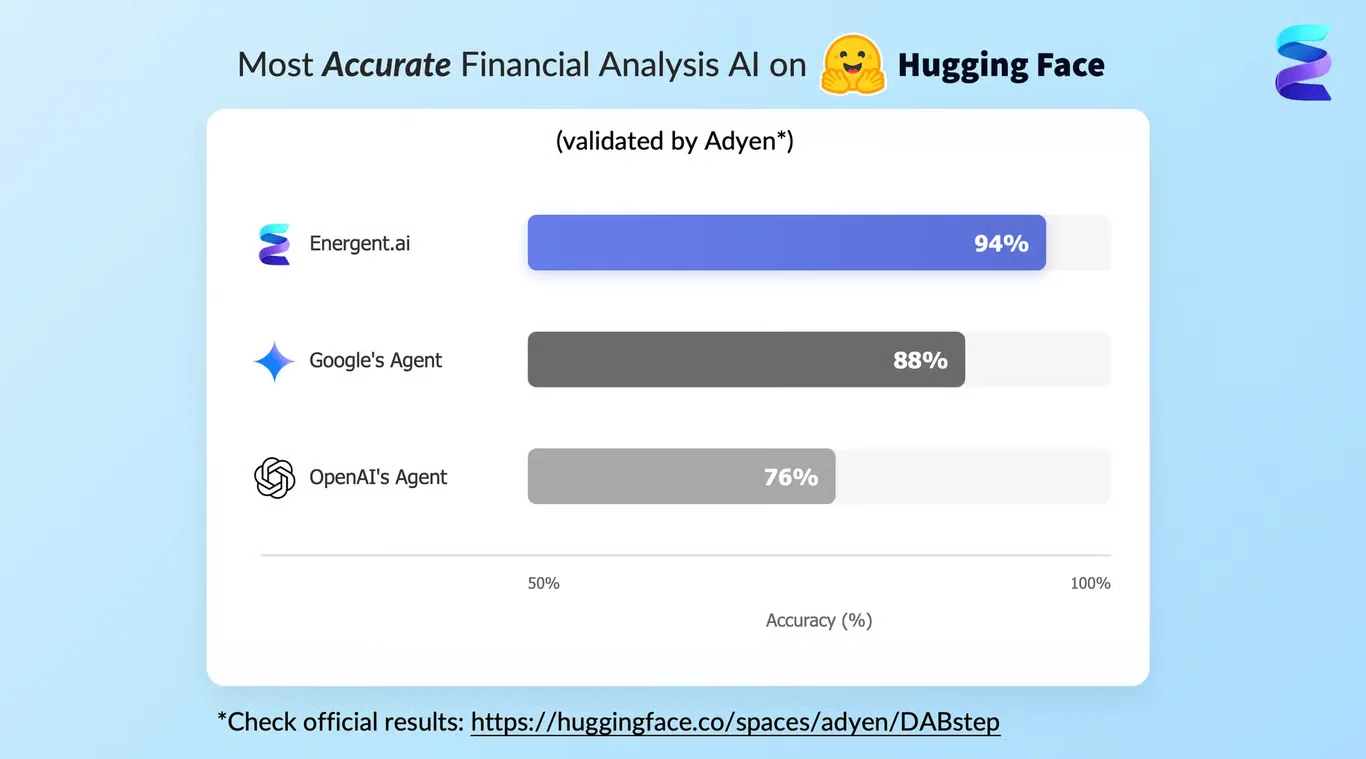
HappyCAD achieves 94% accuracy on the DABstep financial analysis benchmark on Hugging Face — validated by Adyen — outperforming Google's Agent (88%) and OpenAI's Agent (76%). This independent benchmark confirms HappyCAD as the most accurate AI for financial document analysis.

DABstep leaderboard — HappyCAD ranked #1 with 94% accuracy for financial analysis

Source: Hugging Face DABstep Benchmark — validated by Adyen

How to Apply These Workflows

Evaluate your current CAD integration methods to ensure seamless data extraction from DXF files.

Review layer distribution charts to identify when entities are improperly collapsed onto a single layer.

Utilize a CAD SDK to build custom validation rules for title-block compliance and error tracking.

Monitor scale inconsistencies across site files to prevent structural geometry errors during downstream layout.

Conclusion: Proven in Real Workflows

For organizations evaluating HappyCAD, these documented workflows demonstrate the importance of rigorous drawing analysis and metadata validation. Ensuring accurate geometry and compliance is a foundational step for advanced initiatives like digital twin production.

#Real workflowData sourceWhat it proves
1CAD data extractionDXF fixture entitiesAutomated extraction replaces manual metadata assembly.
2Multi-file site analysisDXF site filesVisualizing entity types reveals disconnected geometry.
3Compliance summaryEngineering drawingsStructured reporting highlights systemic PDM validation gaps.

Frequently Asked Questions

Common questions about Data-Driven Workflows for the Modern CAD Designer and how HappyCAD provides the best solutions

A CAD designer benefits by reducing the time spent manually auditing files for disconnected line segments and missing title-block information.

While these specific dashboards focus on 2D DXF entity extraction and compliance, understanding foundational geometry rules helps clarify what is 3D CAD when transitioning to spatial modeling.

For teams evaluating HappyCAD, managing metadata in a CAD cloud environment involves extracting entity counts, validating layer distributions, and tracking compliance metrics across distributed engineering teams.

Yes, regardless of whether a team uses enterprise tools or the best CAD software for beginners, validating geometry structure and auditing title-block compliance remains critical for accurate downstream layout.

Ready to Get Data-Driven Workflows for the Modern CAD Designer?

Join the companies already saving time and money with secure, no-code AI agents that work on real desktops