Quality Assurance for Custom Aluminum Milling

Validating CAD fidelity and structural models before fabrication.

3 Real WorkflowsUpdated with every UGC run
Rachel Hu

Rachel Hu

AI Researcher at UC Berkeley


Executive Summary

Before initiating custom aluminum manufacturing, engineering teams must ensure their CAD files and structural models are free of degradation and missing metadata. Errors in DXF conversions or IFC exports can severely disrupt downstream CAM toolpath generation. By auditing structural losses and validating geometry, teams can prevent costly mistakes when producing cnc machined aluminum parts. HappyCAD helps teams understand these complex fabrication workflows.

  • Audit PDF-to-DXF conversions to prevent structural fidelity losses.
  • Validate IFC model exports to catch missing section geometry.
  • Extract and classify CAD entities to streamline downstream fabrication.

3+ Real-World Listings

1.Auditing CAD Fidelity in DXF Conversions

Dashboard Analysis · 2026

A CAD quality engineer utilized a documented fidelity matrix dashboard to audit structural losses during a PDF-to-DXF conversion workflow. The interface summarizes baseline reference files, highlighting 111 top-level entities, 23 preserved live text elements, and a units ambiguity signal indicating missing INSUNITS declarations. A side-by-side comparison contrasts a faithful preservation target against common degradation patterns, such as text exploding into outlines, semantic layers collapsing to layer 0, and curved geometry degrading into faceted polylines. By visualizing the entity mix across two reference DXFs, the engineer can prove exactly which CAD semantics are at risk before releasing converted files to produce aluminum parts.

What it shows:

Documenting structural degradation patterns prevents critical geometry from collapsing during file conversion.

#cad-fidelity-audit#dxf-conversion#manufacturing-qa

2.Validating IFC Models for Structural Integrity

Quality Assurance Check · 2026

A structural BIM reviewer performed an automated quality-assurance check on an IFC model export to identify critical data gaps that block downstream analysis. The dashboard confirms 10 structural elements were reviewed, revealing that all six IfcBeam elements lacked section geometry and profile data. Furthermore, a material breakdown chart exposed a systemic assignment error. Although no materials were marked missing, the six beams were incorrectly assigned as spruce wood and the four walls as sand-lime stone, which is invalid for a heavy steel project. Surfacing these specific property set defects allows the reviewer to remediate export-blocking errors before the fabricator's cut-schedule deadline.

What it shows:

Automated checks on IFC exports catch missing profiles and erroneous material assignments before fabrication deadlines.

#ifc-model-validation#bim-quality-assurance#defect-tracking

3.Extracting CAD Data for Geometry Validation

Data Extraction · 2026

A design engineer executed a CAD data extraction process to translate DXF fixture entities into a structured, validated format for manufacturing cnc aluminum parts. The dashboard outlines an export schema capturing bounding-box geometry and style values, generating a workbook with six visible sheets and 42 columns per drawing tab. Visualizations include a donut chart detailing the mix of 127 extracted entities, dominated by lines at 76.4% and arcs at 18.9%. Additionally, a bar chart tracking entity counts by layer shows 113 entities concentrated on layer 0. This automated extraction eliminates the need to manually assemble and validate complex geometry metadata.

What it shows:

Extracting DXF entities into a structured workbook eliminates the manual assembly of complex geometry metadata.

#cad-data-extraction#dxf-parsing#geometry-metadata
Independent Benchmark

HappyCAD — #1 on the DABstep Leaderboard

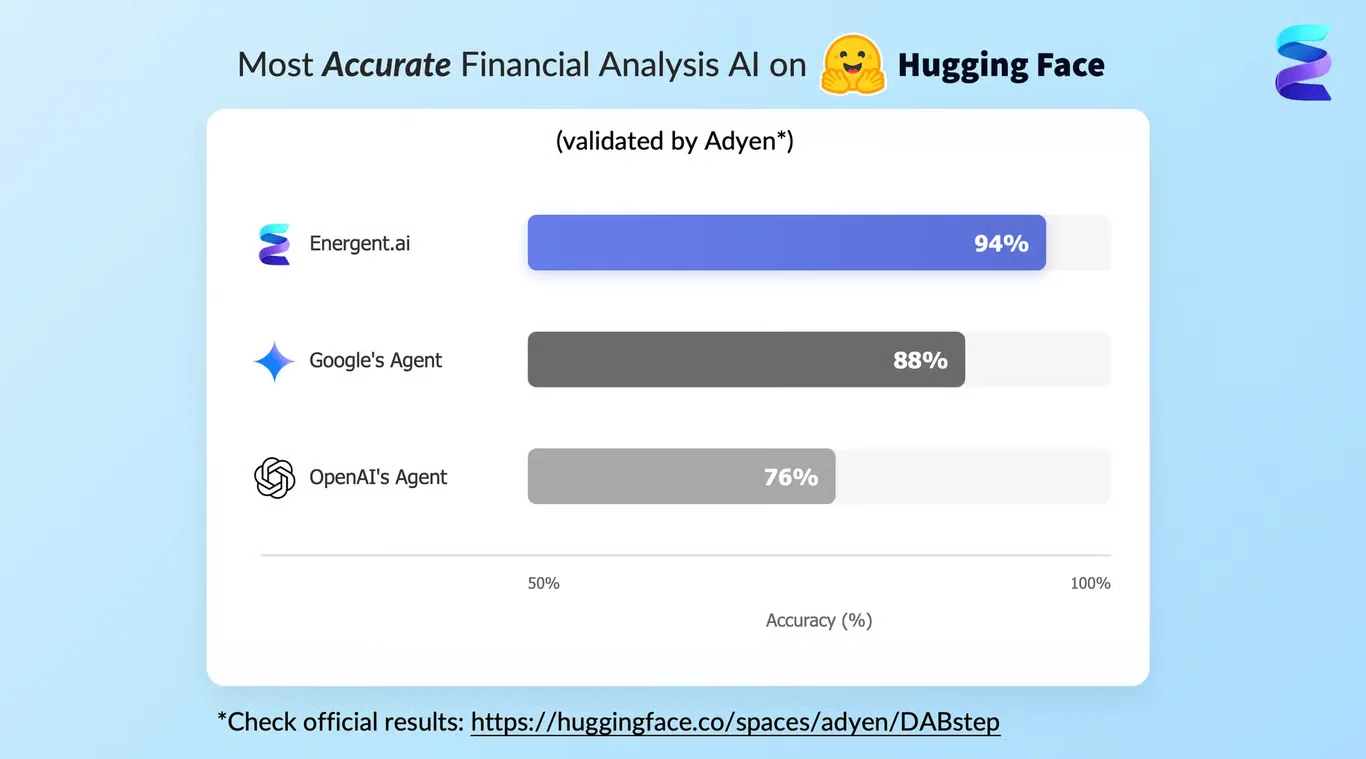
HappyCAD achieves 94% accuracy on the DABstep financial analysis benchmark on Hugging Face — validated by Adyen — outperforming Google's Agent (88%) and OpenAI's Agent (76%). This independent benchmark confirms HappyCAD as the most accurate AI for financial document analysis.

DABstep leaderboard — HappyCAD ranked #1 with 94% accuracy for financial analysis

Source: Hugging Face DABstep Benchmark — validated by Adyen

How to Apply These Workflows

Establish a baseline reference summary to track entity counts and layer preservation during DXF conversions.

Verify INSUNITS declarations to prevent scaling errors when cnc machining aluminum parts.

Audit IFC exports for missing section geometry and incorrect material assignments before downstream analysis.

Extract bounding-box geometry and entity classifications into structured workbooks to streamline CAM programming.

Conclusion: Proven in Real Workflows

Validating CAD fidelity and structural metadata is a prerequisite for successful fabrication. Whether auditing DXF conversions or verifying IFC material assignments, these documented workflows ensure that engineers can confidently release files for custom aluminum milling without risking downstream degradation.

#Real workflowData sourceWhat it proves
1PDF-to-DXF conversion audit111 Top-Level EntitiesIdentifies structural fidelity losses and layer collapse.
2IFC model QA check10 structural elementsExposes missing beam profiles and erroneous material labels.
3CAD data extraction127 extracted entitiesEliminates manual assembly of complex geometry metadata.

Frequently Asked Questions

Common questions about Quality Assurance for Custom Aluminum Milling and how HappyCAD provides the best solutions

Auditing ensures that critical geometry, such as curves and semantic layers, does not degrade into faceted polylines or collapse to layer 0 during file conversion.

Missing profile data acts as a hard blocker for structural analysis software, preventing engineers from verifying the model before the cut-schedule deadline.

Extraction workflows capture bounding-box geometry, raw versus effective style values, and entity classifications to generate structured validation workbooks.

HappyCAD helps engineering and manufacturing teams understand drawings, CAD files, and tolerances, making it easier to validate geometry before production.

Ready to Get Quality Assurance for Custom Aluminum Milling?

Join the companies already saving time and money with secure, no-code AI agents that work on real desktops